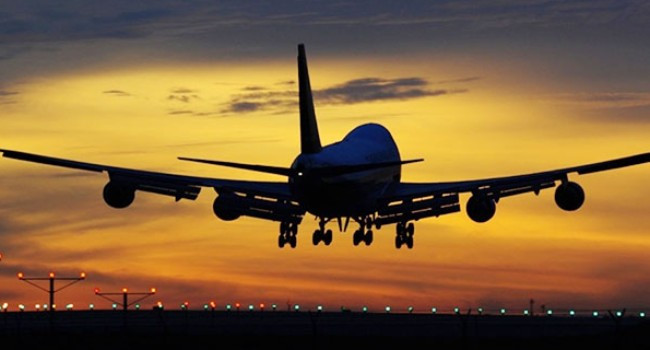
Rising tensions linked to the war in Iran have dealt a significant blow to the global aviation sector, according to a report by Financial Times.
The impact is now being felt across multiple industries in a cascading effect, as soaring fuel prices sharply increase operational costs for airlines worldwide. The price of jet fuel has reportedly doubled, further deepening the crisis and placing additional pressure on carriers.
The surge in fuel costs has directly translated into more expensive passenger tickets, while flight operations have lost much of their previous stability.
The situation has become even more complicated following the closure of airports in Gulf countries, which normally handle nearly one-third of flights between Europe and Asia. The disruption has made global flight management increasingly difficult and unpredictable.
As a result, airlines around the world have been forced to remove a total of 2 million seats from their May schedules.
At the same time, approximately 12,000 flights were canceled during the month, highlighting the scale of the disruption affecting the aviation industry.
Among the carriers reducing or canceling flights are Turkish Airlines, China Airlines, and Lufthansa.
The list also includes major international airlines such as United Airlines, British Airways, American Airlines, and All Nippon Airways.
All figures cited in the report are based on data provided by Cirium, underscoring the depth and global reach of the ongoing changes in the aviation sector.
The developments reflect growing concerns that prolonged geopolitical instability in the Middle East could continue to disrupt international air travel, increase operational costs, and place additional strain on global supply and transportation networks.
Irada Jalil, Bizimyol.info