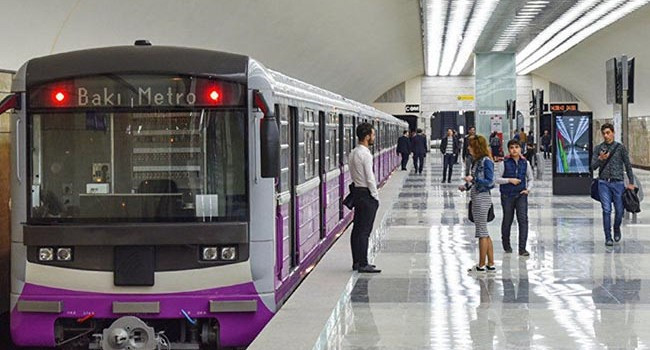
Starting October 1, the fare for public transportation in Azerbaijan was raised to 60 qapik. The same base rate now applies to the metro and to urban, suburban, and inter-settlement bus routes that meet modern standards and operate exclusively via cashless payment systems. However, on certain routes, fares will exceed the 60 qəpik mark depending on distance.
- Why Was This Fare Increase Deemed Necessary?
- Will Public Transport Quality Actually Improve?
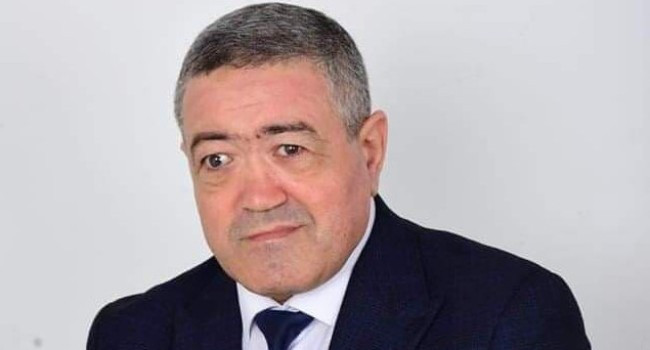
Transport expert Adil Nabiyev told Bizimyol.info that the fare hike in public transport will inevitably have a ripple effect across all sectors of daily life:
“A sudden decision like this, made without clear necessity, cannot be considered reasonable. Our lives largely depend on transportation. If fares go up in public transport, it will affect everything — even food prices. Since delivery and logistics rely on transport, even a small increase here means higher costs across the board.
In global practice — at least in neighboring countries — such price adjustments usually occur at the start of the year, in January. Before raising fares, authorities should ensure that people can maintain a decent standard of living, starting with raising salaries.
Since fuel prices have not gone up, this decision looks like an artificial price hike. Moreover, as the world shifts toward electric buses and cars — a cheaper and more sustainable mode — we should have expected fares to decrease, not increase. Ultimately, such changes will affect everyone.”
“The Problem Isn’t Just the Price — It’s the System”
According to Nabiyev, despite official schedules showing 5–10 minute intervals between buses, passengers often wait 15–20 minutes at stops:
“Weeks ago, it was said that pensioners would receive certain fare discounts. But now, with this sudden decision, it seems other passengers are forced to compensate for those benefits. This means that students and pensioners’ discounts are effectively being paid by the rest of the public — which is simply unfair.
Even though many buses have been renewed, during peak hours it’s nearly impossible to find a seat — not only on buses but also in the metro. We all know how overcrowded metro stations get during morning rush hours — from the entrance halls to the escalators, everything is packed with passengers.
The number of trains should be increased. If trains currently come every minute, they should come every 30 seconds to prevent passengers from being crammed together and allow them to breathe normally. Even though official bus intervals are listed as 5–10 minutes, people wait 15–20 minutes in reality. And even when dedicated bus lanes exist, they often get blocked during rush hours, creating artificial obstacles.
For example, on Yusif Safarov Street toward 28 May, buses often get stuck in long queues, causing an extra 15–20 minutes of delay. The key measure of quality is not just having new buses — it’s ensuring they run on time. If a bus leaves Point A, it should reliably reach Point B within 20 minutes.”
Nabiyev added that despite the presence of dedicated bus lanes, they often fail to serve their purpose:
“Even with bus lanes, we still can’t reach our destinations on time. If you’re not boarding from the first station, it’s nearly impossible to get into a metro car. People get injured, and for those with heart conditions or other health issues, it’s dangerous. These issues should have been resolved before any fare changes. Unfortunately, it’s always the other way around here: prices rise first, and only then we start waiting for improvements.
If we want to reduce traffic congestion, we must make public transport more attractive than private cars.”
Günel Həsənova, Bizimyol.info