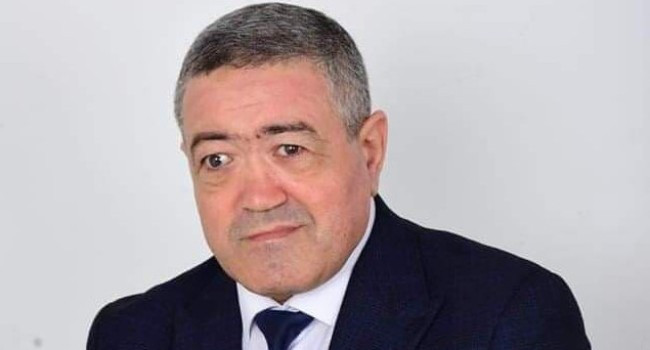
The Organization of Turkic States is not a political bloc and was not established to influence any country, stated Member of the Azerbaijani Parliament Tahir Rzayev in an interview with Bizimyol.info.
According to Rzayev, the Turkic Union is a strategically significant alliance whose solidarity plays a vital role in the development and security of Turkic-speaking nations.
“The wars, conflicts, and global threats we see today highlight the importance and relevance of this unity. Without cooperation and solidarity, countries cannot ensure their own security. This has become especially clear in Azerbaijan’s case in recent years,” he said.
Rzayev noted that in the early 1990s, Azerbaijan was isolated and its territories were occupied by Armenian forces.
“Of course, this wasn’t just Armenian aggression — it was the result of direct efforts by states that armed and supported the aggressors. Armenia could not have occupied Azerbaijani lands alone. At that time, foreign powers gave them major support,” he said.
“The internal disorder, lack of effective governance, and absence of wise leadership led to the occupation of our lands. But both Azerbaijan and other Turkic countries learned from this experience.”
The MP added that after Heydar Aliyev came to power, his first call was for unity — both among Azerbaijanis and Turkic-speaking nations.
“He introduced the ideology of Azerbaijani identity (Azerbaijanism) and gave new momentum to international relations. In recent years, President Ilham Aliyev has done invaluable work in this direction. Thanks to his wise policies, relations with Turkey have improved tremendously.”
According to Rzayev, Azerbaijan was the first country to support the idea of Turkic unity, and the results are now visible.
“Meetings, discussions, and summits among Turkic leaders — where they support each other in matters of national interest — paved the way for the creation of the Organization of Turkic States. Today, this organization has become a powerful force capable of making its voice heard at the most significant international events,” he emphasized.
Rzayev also underlined that Azerbaijan plays a leading and strategic role in the formation of the Turkic Union:
“The visits of Turkic leaders to Azerbaijan, their trips to the liberated territories, and their awareness of the tremendous reconstruction work being done here have created new opportunities for mutual cooperation. Their moral and material support strengthens our partnership.”
He stressed that Azerbaijan holds a leading position within the Turkic world, as President Ilham Aliyev and other Turkic leaders consistently raise their voices in favor of peace, democracy, freedom, truth, and justice.
“Naturally, many European and Western countries oppose this unity. Sometimes our initiatives and positions irritate them. But our President has repeatedly stated that the Turkic Union stands for peace, freedom, human rights, and the prosperous future of humanity. It is not a bloc, nor was it created to exert influence on any country. It is completely free from such intentions.”
Rzayev concluded that the unity of Turkic-speaking nations and the mobilization of new forces around the Organization of Turkic States fully align with Azerbaijan’s national interests and those of Turkic peoples:
“This unity supports national security, development, and the happiness of our citizens,” he said.
İradə Cəlil, Bizimyol.info