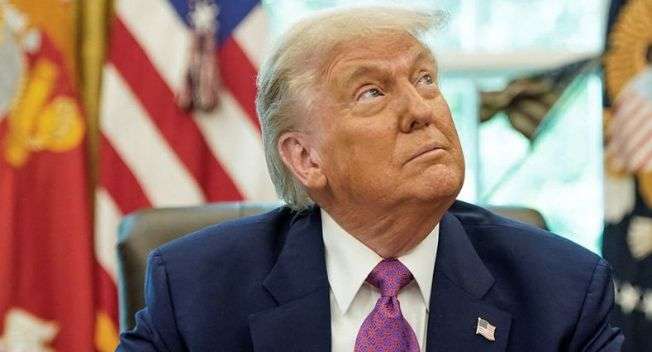
In a recent interview with Fox News, U.S. President Donald Trump offered a curious admission. As a boy, his greatest dream was to own a Ferrari, the iconic Italian sports car. Years later, that dream came true. Yet Trump added that these days, he drives only American cars.
This brief revelation touches on a larger theme: the enduring power of childhood dreams.
The Big Meaning of Small Wishes
We all carry remnants of childhood wishes. Some of us wanted to become pilots, some teachers, others simply longed for a shiny new bicycle. What once felt unattainable often appears trivial as adults. Yet those early desires shape us. They mold our outlook on life and quietly lay the foundations for the choices we later make.
Small for the World, Big for Us
To the world, a child’s wish for a soccer ball may seem insignificant. But to that child, the ball represents new friendships, the thrill of a first victory, or the sting of a first defeat. On a global scale, these desires are small. In our personal worlds, they are monumental.
Trump’s Ferrari dream fits into this same logic. A car may not change the course of history, but in his personal life it symbolized ambition fulfilled. Our own dreams often serve a similar role: they may look ordinary to others, but for us, they provide belief, motivation, and hope for the future.
The Power of Dreams
Dreams evolve as we grow. In childhood, we crave toys; in youth, education and career; in adulthood, stability and happiness. Regardless of size, each dream is a light that carries us forward.
For Trump, it was a Ferrari. For us, perhaps it was nothing more than a schoolbag, a new outfit, or the hope of one day starting a family with someone we love. Such wishes may appear small to the world, but they are the treasures that enrich our lives and make us human.
Leyla Mirzə, Bizimyol.info