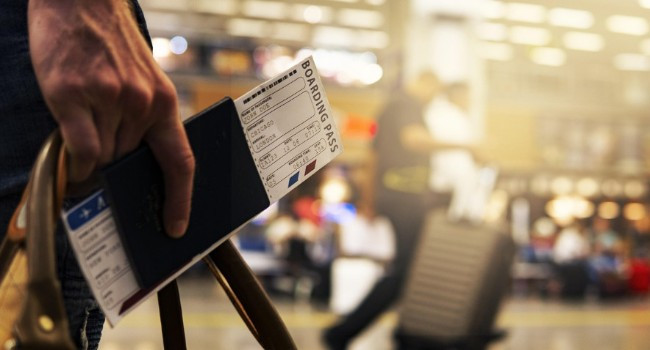
There’s a frustratingly common scenario in Azerbaijan: A citizen arrives at the airport, boarding pass in hand, ready to travel—but is suddenly turned away at border control with the dreaded words: “You are restricted from leaving the country.” The flight is missed, the ticket money lost. But here’s the catch: they were never warned.
According to the Azerbaijani law “On the Rules of Departure from and Entry into the Country by Citizens of the Republic of Azerbaijan,” any restriction on a citizen’s right to exit must be formally and in writing communicated in advance by the relevant executive authority. But does this actually happen? Has it ever?
In reality, most citizens only learn of such restrictions at the airport gate, when they are pulled aside by State Border Service officers. And even those officers aren’t the ones making the decisions—they’re merely acting on restrictions placed by other government bodies or courts.
One of the most frequently involved institutions is the State Service for Mobilization and Conscription. It wouldn’t be an exaggeration to say that thousands of plane tickets have gone to waste due to their travel bans. While the law does allow this service to impose such restrictions, there are clear rules that govern how and when they can do so.
Citizens must be informed—before it’s too late
First and foremost, the law mandates that citizens be notified in writing if their right to leave the country is restricted. The reasoning is simple: if they disagree with the restriction, they should have the right to appeal in court. Without prior notice, travelers find out too late—after buying tickets or when already at the airport.
No restrictions before age 18—period
Another rule often ignored: The State Service cannot impose travel bans on individuals under 18—even if they’re just one day shy of their birthday. Military obligations begin only after reaching 18, meaning any travel bans issued before that age are illegal. Affected families have the right to sue for damages and compensation.
Travel bans during university registration periods
A growing crisis involves students accepted to foreign universities. Many schools conduct registration in August–October, yet military call-ups—for example, the October intake—result in restrictions being imposed as early as August. This traps students who cannot travel to complete enrollment.
From a humanitarian standpoint, conscription officials could easily verify enrollment by checking the university’s website, where students’ names and even photos are listed. But instead, students are told to bring official university letters, have them apostilled abroad, and only then apply for exit permission — an absurd requirement since the student cannot leave the country in the first place.
The result? Thousands of young lives are disrupted, and countless dreams are derailed before they even begin.
Border Service or scapegoat?
Interestingly, some conscription officers, speaking off the record, claim they don’t impose travel bans at all. According to them, the State Border Service is acting independently. But this is hard to believe—most likely, notes or alerts are entered into the electronic system, which trigger the Border Service to block passengers.
A call for reform
We hope this article will catch the attention of decision-makers at the State Service for Mobilization and Conscription, and that the issues can be resolved before more lives are disrupted.
We’ve submitted a formal inquiry to the agency and will publish their response. Because this situation has become a source of mass public frustration.
The next conscription wave is approaching—and with it, perhaps, the truth behind who’s truly responsible.
Emin, Bizimyol.info