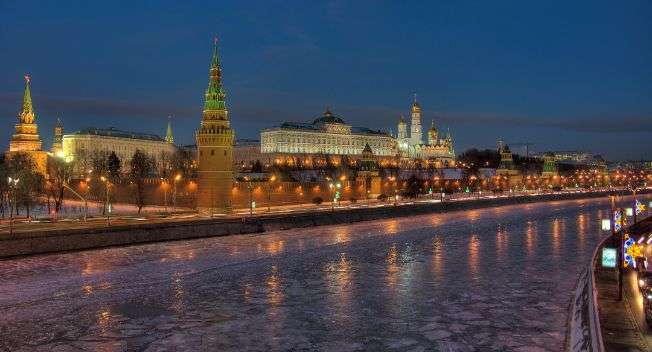
Russia’s pressure on Azerbaijan is intensifying, and many of Moscow's recent actions raise serious questions—even among its own allies.
Are these baffling decisions and absurd statements really being made by the people running Russia?
As strange as it sounds, the answer is yes.
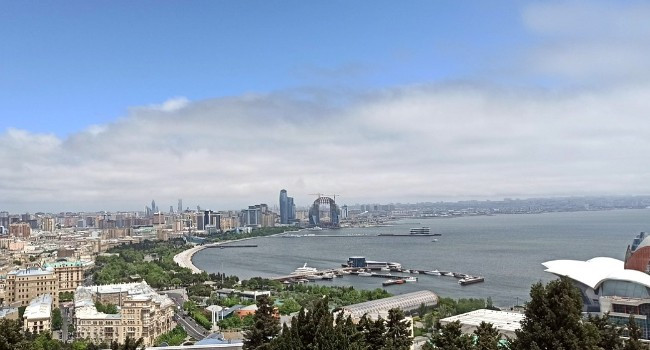
On one hand, President Vladimir Putin issues a decree to "protect" the Russian language—even beyond Russia’s borders. On the other, authorities cancel performances by the Azerbaijan State Russian Drama Theatre in Novosibirsk. The irony? The plays are in Russian. The actors and directors are native Russian speakers. Yet the reason for the ban, officials claim, is because the word “Azerbaijan” appears in the theatre’s name.
Meanwhile, vague rumors about Russian-language schools possibly being shut down in Baku, Ganja, and Mingachevir have sent Russian politicians into a frenzy. If such idle gossip is already influencing Kremlin decisions, it’s a clear sign that the Russian government is slipping beyond the bounds of rational governance.
How is it that a Russian-language drama theater, which promotes and preserves Russian culture at a high artistic level and draws the intellectual and cultural elite of Azerbaijan, becomes the target of Moscow’s crackdown? It defies logic.
But the contradictions don’t end there.
Now, Russia is banning the import of Azerbaijani tomatoes, potatoes, and eggplants, citing alleged "viruses." The real reason? Geopolitics.
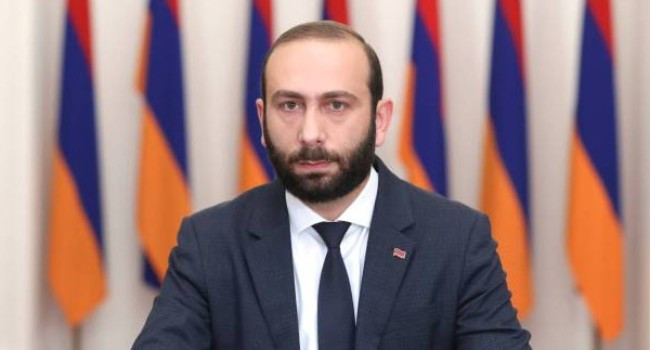
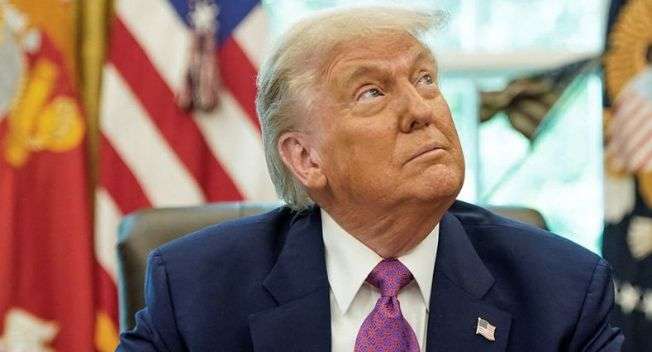
Washington has proposed that a U.S. company oversee customs procedures in the Zangezur Corridor—a strategic transport link between mainland Azerbaijan and the Nakhchivan Autonomous Republic, running through Armenia’s Syunik province (historically known as Zangezur). The U.S. wants a 100-year lease on managing this corridor—and made the offer to Armenia. So why is Russia retaliating against Azerbaijan’s agriculture?
Why is Moscow punishing Azerbaijani farmers for decisions made in Yerevan?
To put it mildly, it’s contradictory.
The Kremlin insists that under the November 10, 2020 ceasefire declaration signed by Russia, Armenia, and Azerbaijan, Moscow should oversee the corridor. But that agreement has long since lost its legal force. From late 2020 to September 2023, Azerbaijan repeatedly warned Russia that neither it nor Armenia was upholding their commitments. After years of inaction, Baku fully restored its sovereignty—and the 2020 document no longer applies to Azerbaijani territory.
As for Armenia, Prime Minister Nikol Pashinyan has clearly stated that all regional transport projects will operate within Armenia’s sovereignty and jurisdiction. So, if Russia has questions or objections, the address is Yerevan—not Baku.
So what crime did a truckload of eggplants from Masalli commit on its way to Moscow?
It all points to one conclusion: Russian officials have lost control. They no longer seem to understand what they’re saying—or worse, what they’re doing.
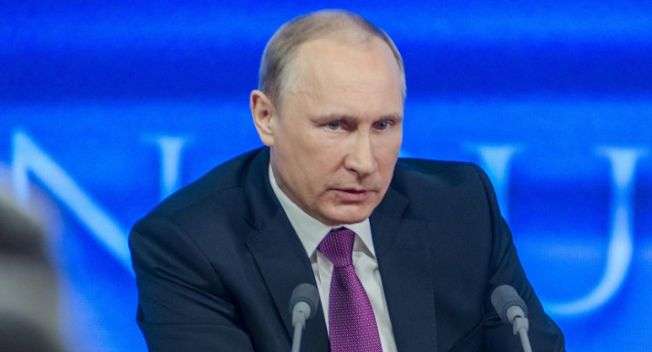
When Putin declares that "Russia has no borders," does he mean he’s president of the entire planet? If Russian migrants are deported from the U.S. tomorrow, will he send troops to New York? Or deploy paratroopers to defend Russian schools in Azerbaijan?
At this point, further commentary seems almost unnecessary.
Reported by Seyid Ahmadli, Bizimyol.info