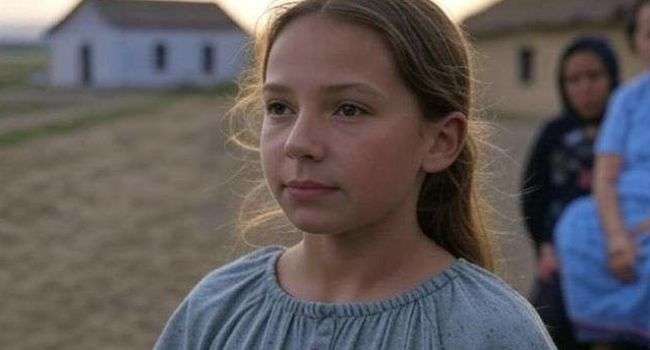
A gruesome killing in Sabirabad has ignited fierce debate and soul-searching across the nation, casting a harsh light on the continuing plague of child marriage and the systemic failure to protect young girls.
What was first reported as the brutal murder of a 16-year-old girl by her 21-year-old boyfriend has since revealed even darker truths. The alleged attacker was not her casual partner but her legal husband. Married off by her family at the age of just 15, the girl barely survived her first year of marriage before her life was cruelly cut short—stabbed and thrown into the Kura River.
As the victim's grieving parents wept on camera and demanded the severest punishment for the killer, a far more uncomfortable question emerged: why was this child married off at all? Did her family see her as nothing more than a burden to be passed along to another household? Did they feel relief when she left their care at 15, only to cry bitter tears after her death?
Yes, the killer will likely be caught and punished. But who will hold to account the families that push their children into premature marriages?
Tragically, this is not an isolated case—it is a symptom of a deeper, longstanding social sickness. In too many homes, daughters are still regarded as liabilities, their value measured by the ease with which they can be married off, rather than the futures they might build for themselves. When disaster follows—as it so often does—families demand justice for the crime but take no responsibility for the choices that made it possible.
Yes, the killer will likely be caught and punished. But who will hold to account the families that push their children into premature marriages? Where is the law that punishes this invisible, quiet violence—the selling off of girls under the guise of tradition and honor? Too often the law looks the other way. Too often, so does society.
This young girl’s life was stolen not only by a knife but by a culture that made her vulnerable to such an end. The cost of ignoring women’s rights, of dismissing the value of daughters, is measured in graves.
It is time for change. Time to value our girls, to keep them in school, to let them dream. Time to stop "regretting" after the damage is done.
Recently, a television presenter smugly declared: “A woman left to herself will destroy the home.” Such dangerous thinking still finds space in our media, reinforcing the view of women as problems to be controlled, not as humans to be empowered. We preach about women’s rights in conferences and speeches but stay silent in the villages and homes where these rights are daily violated. And so the killings, the suicides, the silent sufferings continue.
As a society, we are raising a generation of girls who see no hope, no future, no escape. And we wonder why the number of suicides and femicides rises.
It is shameful to live in a country where a divorced woman is seen as "damaged goods" and female success is dismissed as someone else's doing. Shameful to raise daughters only to fear for their survival.
Sometimes I catch myself thinking, “Thank God I don’t have a daughter.” As a single mother, how would I protect her here? In a society where her rights would exist only on paper?
This tragedy in Sabirabad is more than a murder—it is a warning. But is anyone listening?
Irada Jalil